
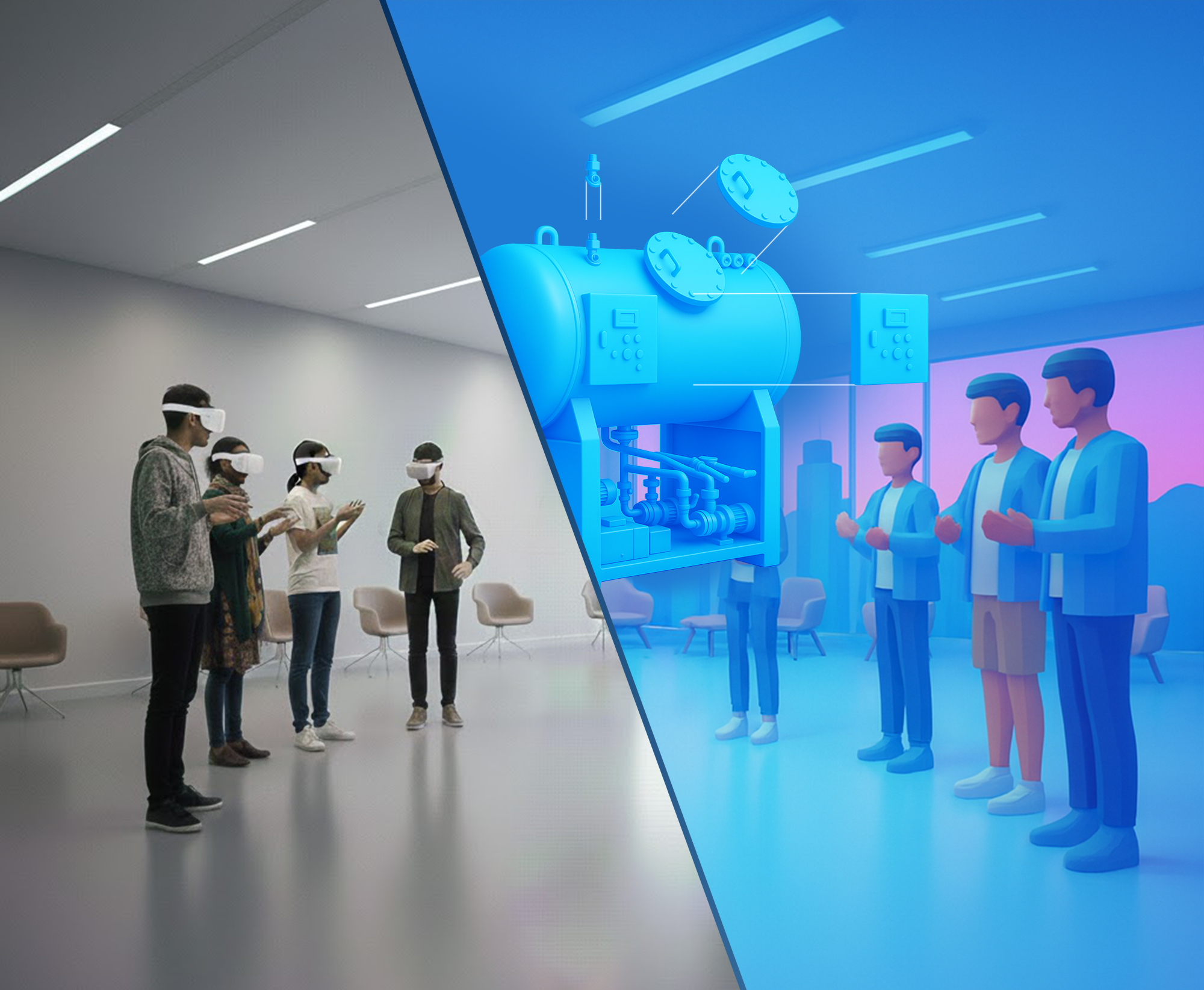
Virtualization Strategy for Teaching and Learning
UTL
In process
Shaping the future of cross-campus learning — from prototype to practice to scaling.
What we did:
Mixed Reality
Coding
UI / UX
3D Design
ETH Zurich is undergoing a fundamental shift in how teaching is delivered. Growing student numbers, a distributed faculty, and new campuses — from Zurich to Basel, Singapore, Zug, and Heilbronn — demand scalable, flexible, and high-quality learning environments. The MML is centrally involved in developing and implementing ETH's 10-year Virtualisation Strategy for Teaching, a cross-campus initiative running from 2026 to 2035.
The strategy operates across four action areas: didactics and curriculum development, format design and media production, infrastructure and technology, and communication. Rather than replacing in-person teaching, the goal is the deliberate integration of virtual, hybrid, and analogue formats — each applied where it creates genuine pedagogical value. Three core scenarios drive the didactic concept: virtual field studies, simulations, and onboardings and tutorials.
The MML of the UTL sits at the heart of this work. We bring learning experience design, audiovisual media production, and UI/UX expertise to ensure that virtual spaces are not just technically functional, but pedagogically grounded, narratively coherent, and intuitive to use. We develop prototype use cases, build standardized production pipelines, and support the Digital Fellows programme — equipping lecturers across all ETH departments to produce high-quality content independently. The approach is explicitly iterative — rapid prototyping and co-design allow the MML to respond quickly to fast-moving technology cycles, including generative AI, mixed reality, avatars, and digital twins. Good design, in this context, means making the technology invisible: what remains is the learning.
By 2030, Digital Bridges will connect Zurich and Heilbronn for live cross-site teaching, with cross-campus formats starting in 2027. By 2035, virtual and hybrid formats are intended to be standard practice across ETH — used by lecturers without external support, as naturally as presentation slides are today.
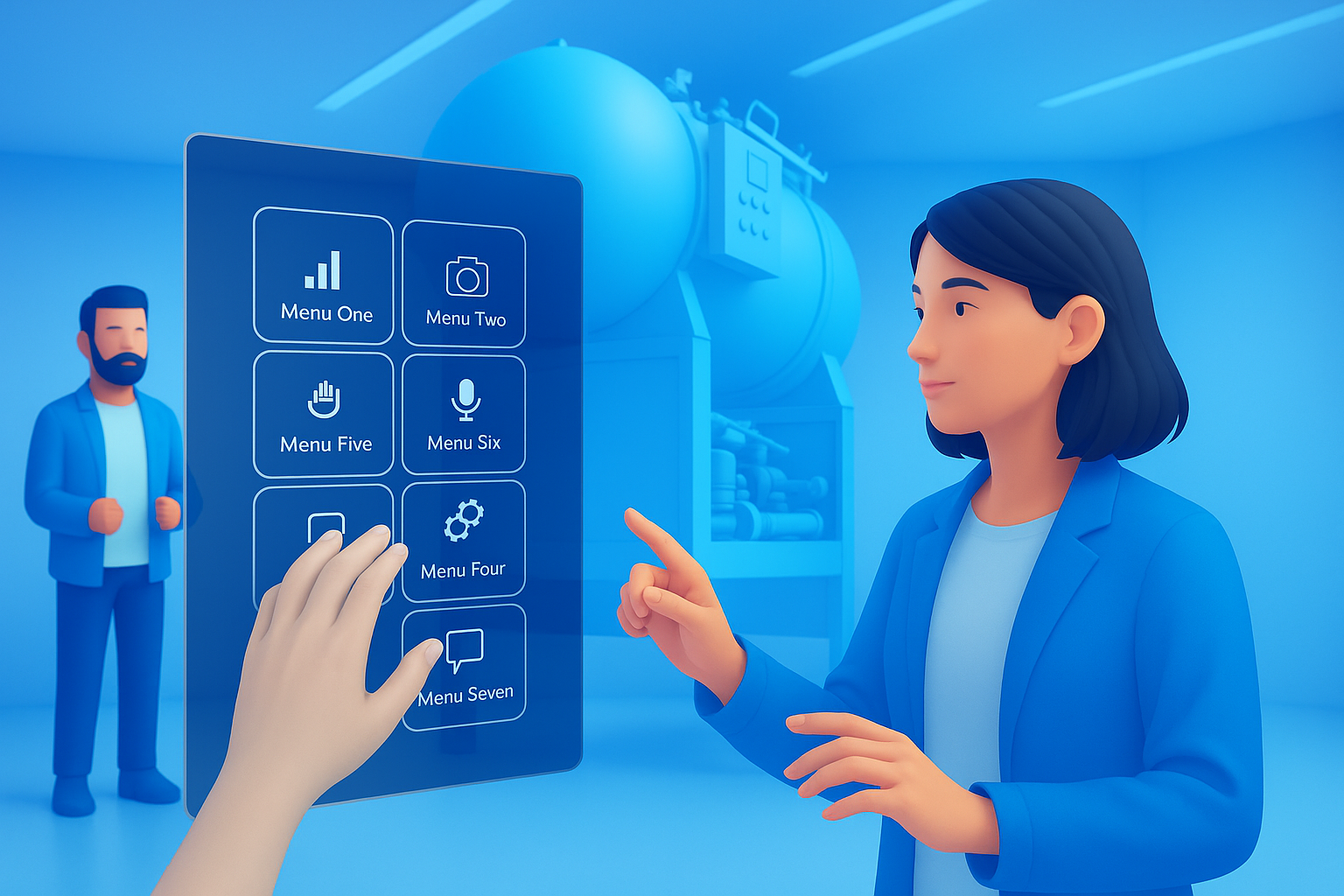
Socio-Technical Concepts: Glossary
Virtualisation vs. Digitalisation Virtualisation is a subcategory of digitalisation. We use the term for concrete media, didactic, and technical methods — ranging from social group interactions in virtual spaces to immersive XR experiences. Digitalisation is the broader umbrella concept.
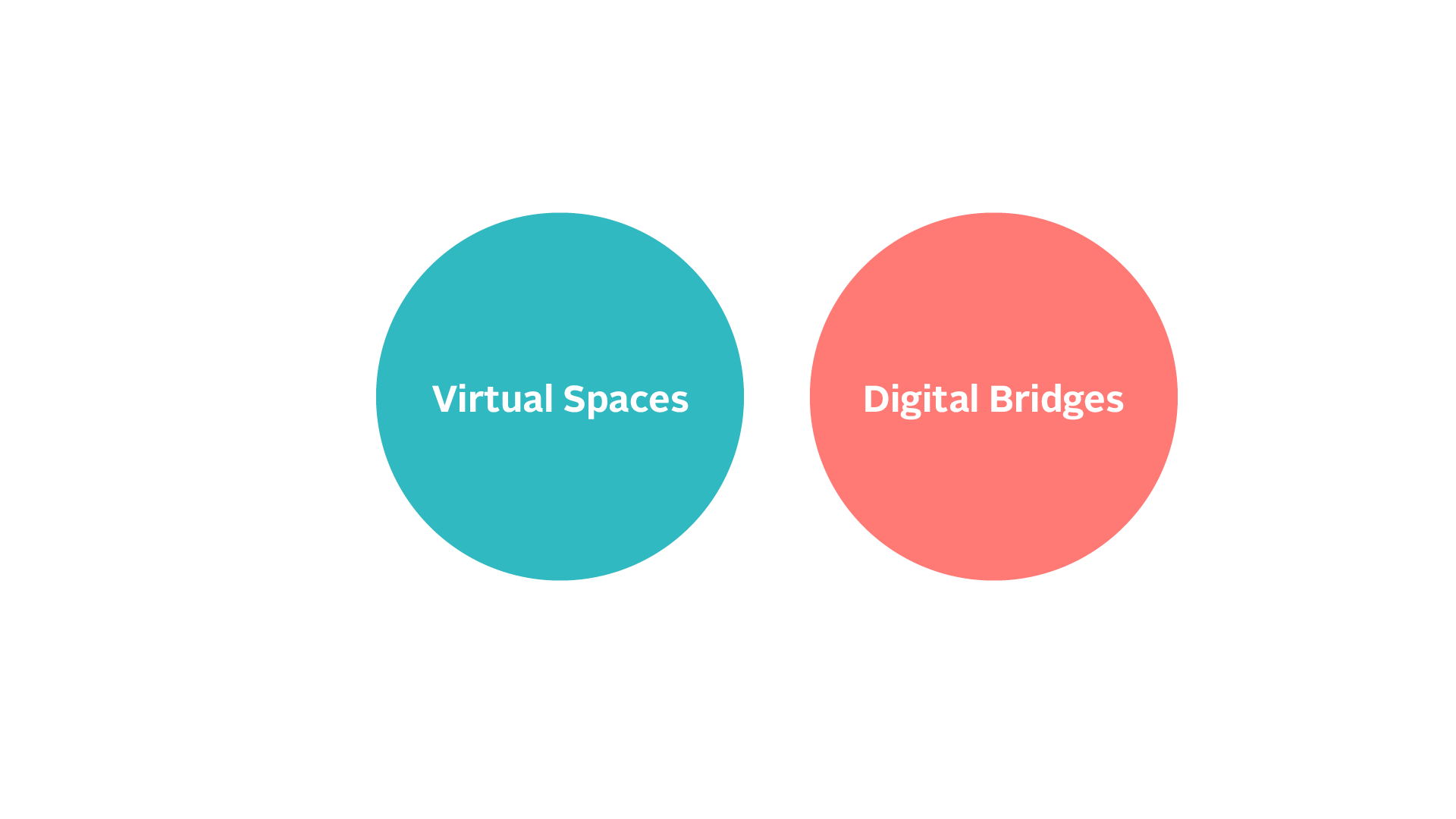
Virtual Spaces Virtual spaces go beyond video calls. The space itself contains interactive elements — lab simulations, virtual field studies, multi-user practice environments. Participants move freely, split into groups, and regroup fluidly. Scenarios can run synchronously or asynchronously and can be revisited, making them suitable for exercises, assignments, and potentially assessments.
Extended Reality (XR) Umbrella term for all immersive technologies that blend virtual and physical reality, including Mixed Reality and Virtual Reality.
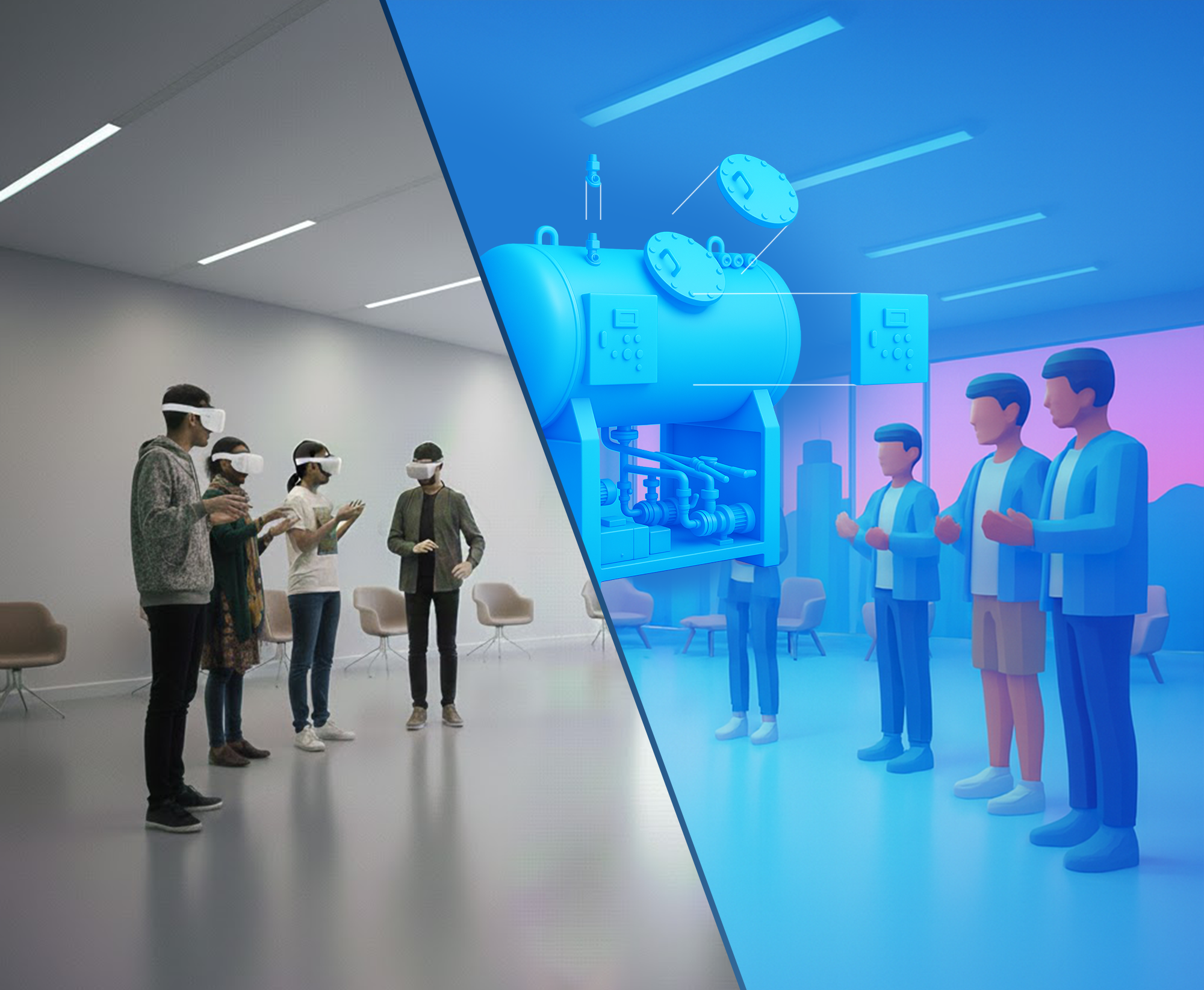
Mixed Reality (MR) Technologies that integrate virtual scenarios into real, physical spaces — typically via smartphone, headset, or MR glasses.
Virtual Reality (VR) Technologies that fully immerse users in a digital environment, cutting off the physical world entirely. Interaction happens via VR headset and hand tracking or controllers — enabling scenarios that are impossible, too costly, or too dangerous to replicate in reality.
Digital Bridge A Digital Bridge connects multiple spaces — physical or virtual — with live, bidirectional transmission of video, audio, and media. Implementations range from immersive rooms with fixed AV installations, to full VR environments where every participant is in a different location, to hybrid combinations of both. Designed for cross-campus collaboration between Zurich, Basel, Singapore, Zug, and Heilbronn.
Deepfakes AI-generated or AI-manipulated synthetic media. In academic teaching, potential applications include realistic portrayals of historical figures, interactive avatars, personalised explainer videos, and accessibility features — provided their use is transparent and critically reflected.
Analogue Teaching Traditional in-person learning: lecture halls with chalkboards, field excursions, lab work without digital media.
People involved
Project Lead MML Team:
Daniel Borges Goncalves M.A.
Dr. Jeanine Reutemann
Script Development:
Robin Bretscher M.A.
Visual Design & UI/UX Design:
Carlo Roman Picaso M.A.
Coding & Interaction Design:
Daniel Borges Goncalves M.A.
e-Accessibility Specialist
Dr. Anton Bolfing
Backstopping:
Dr. Jeanine Reutemann